Activities for Seniors at Home: 25 Ideas That Work

Twenty-five activities that fit the energy, mobility, and attention span of older adults — broken down by what they actually require to set up.

Reviewed by Carol Bradley Bursack, NCCDP-certified — Owner of Minding Our Elders

3 min read

·

Updated May 13, 2026

A senior participates in creative activity with crayons — companion-led hobby support.

The best activities for seniors at home are simple, familiar, low-pressure, and shared with another person — not entertainment, not exercise classes, not anything that requires keeping up with peers. Below are 25 activities, organized by what they require to set up, that work for active and slower-paced seniors alike. The companion caregiver’s job isn’t to entertain — it’s to share the time.

This guide is the working handbook companion caregivers use across our network. For broader context on senior companion care, see our pillar what is senior companion care.

Activities that require nothing but presence

  1. Looking at family photos. Old albums, recent phone photos — any photos. Triggers reminiscence and conversation naturally.
  2. Listening to music from their teens and twenties. Procedural memory for music is preserved deep into dementia; familiar songs unlock mood and memory.
  3. Reading the newspaper together. One section, with comments. The Sunday paper extends to a multi-hour activity.
  4. Calling an old friend on speakerphone. The companion supports the conversation; the senior connects with someone who matters to them.
  5. Watching old TV shows. Familiar episodes (Andy Griffith, I Love Lucy, MASH) pull on long-term memory and produce gentle laughter.
  6. Going through old recipes. The recipe box is a memory vault — every card has a story.

Activities that require minimal materials

  1. Card games. Solitaire, Gin Rummy, Hearts. Simple rules, long history with most seniors.
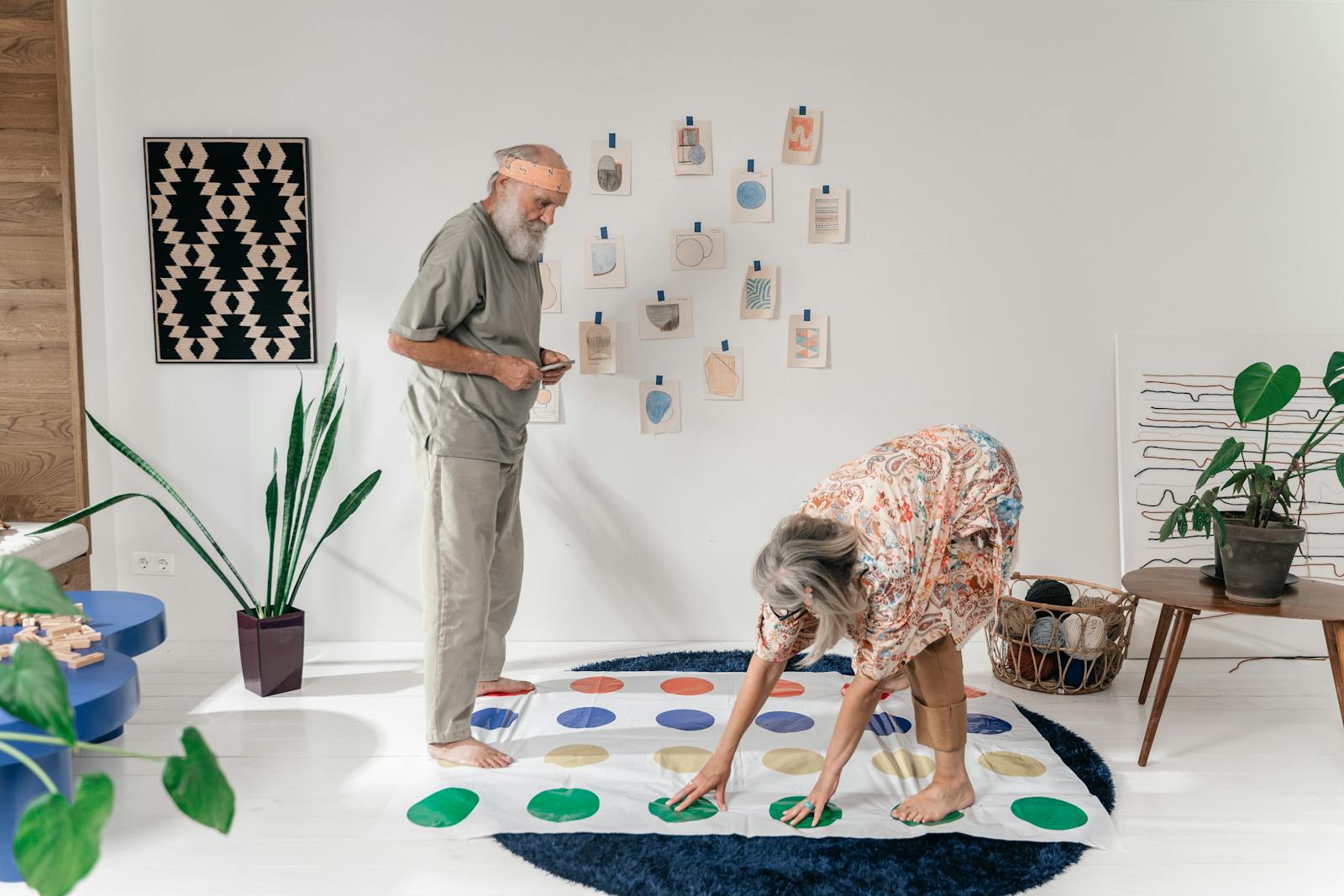
  2. Board games adapted for tabletop. Scrabble, Yahtzee, dominoes, checkers. Skip games with rapid turn-taking or complex rules.
  3. Jigsaw puzzles. 500-piece for active minds; large-piece for memory-challenged.
  4. Coloring books for adults. Surprisingly soothing and accessible at any cognitive level.
  5. Reading aloud. A short story, a biography chapter, a favorite poem. The companion reads; the senior listens.
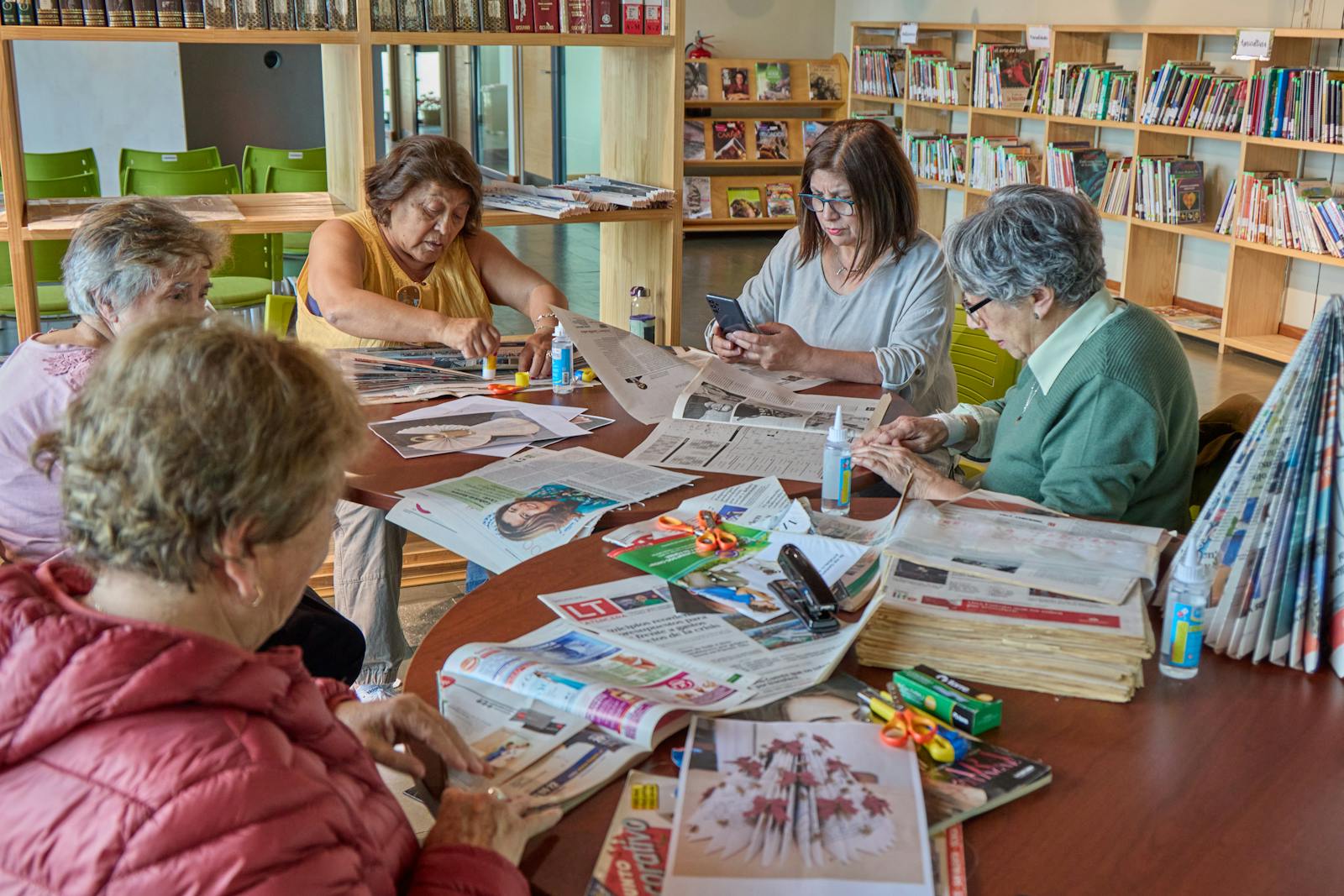
  6. Knitting, crocheting, or simple sewing. Procedural memory tasks; many seniors who can’t follow new instructions can still do these.

Activities that get them moving

  1. A walk around the block. Slow, with rest benches noted in advance. Daily walking is the single most protective activity for aging.
  2. Gardening, even small-scale. Watering plants, deadheading flowers, planting bulbs. Indoor gardens count.
  3. Light cooking together. Mixing, stirring, layering — not chopping or hot stovetop work unless safe.
  4. Folding laundry. A productive, calming activity that many seniors find satisfying.
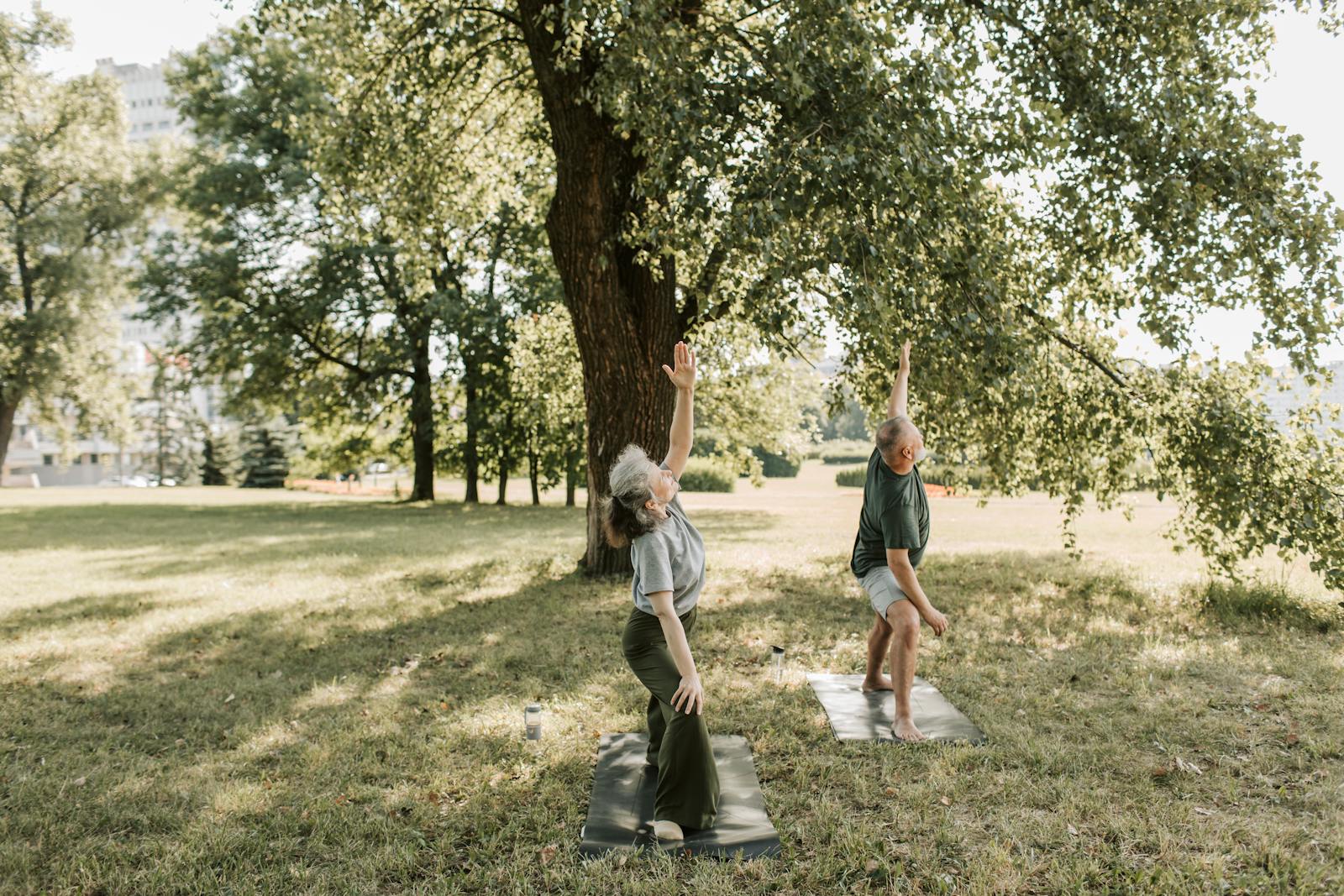
  5. Chair yoga or stretching. Gentle, seated, no pressure to keep up.
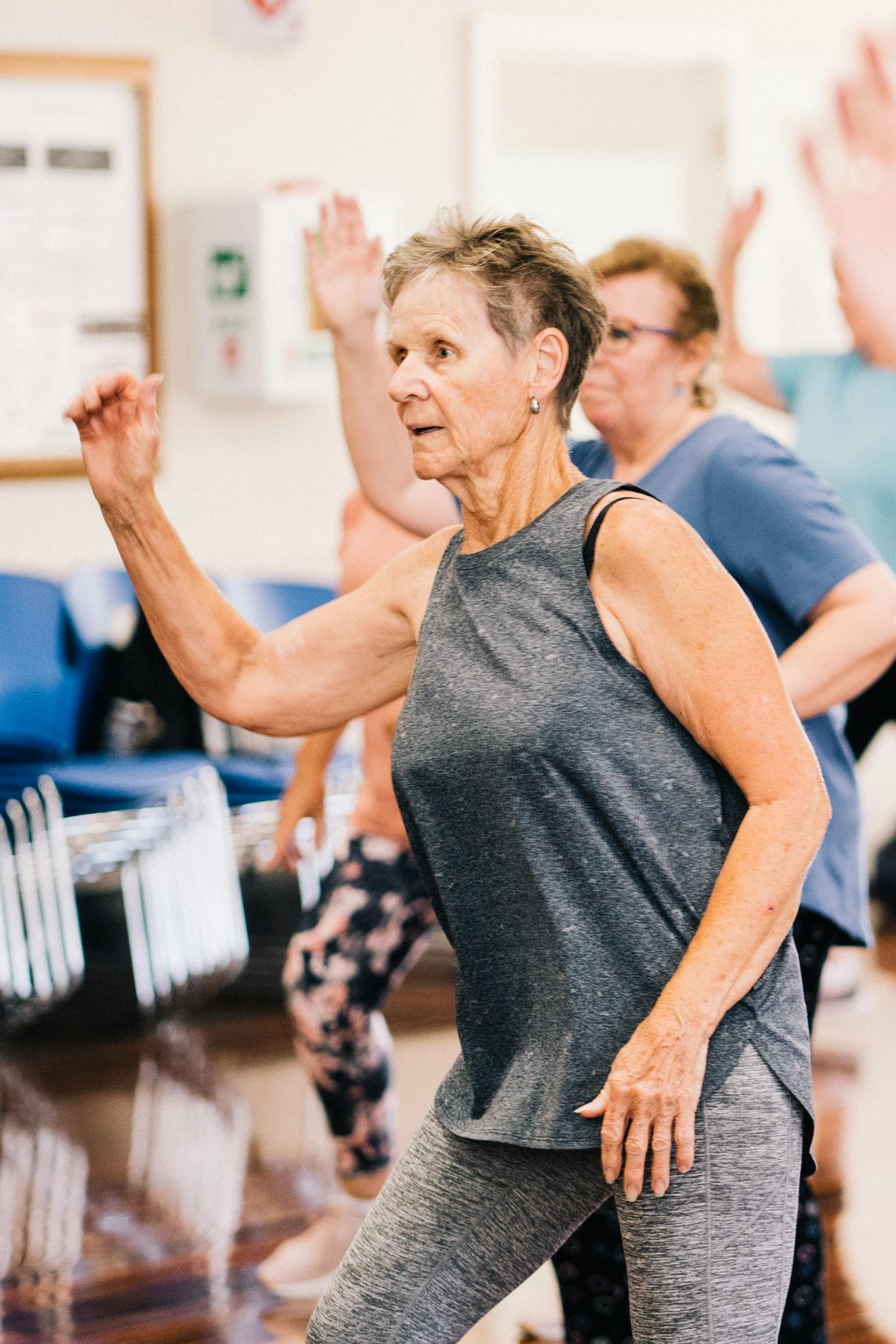
  6. Dancing in the living room. To familiar music, for a few minutes. Memorable even when long-term memory is fading.

Activities that connect to the wider world

  1. Library visits. Many libraries have homebound delivery; a weekly book exchange becomes a ritual.
  2. Religious or spiritual services. In person if mobile; streaming if not. The community connection matters.
  3. Senior center programs. Many have programs specifically scaled for slower-paced seniors. The local Area Agency on Aging has the directory.
  4. Volunteering remotely. Letter-writing campaigns, knitting for charity, calling shut-ins — seniors often find purpose in helping others.
  5. Family video calls on a schedule. Weekly Sunday afternoon, for example. Predictability matters as much as frequency.

Activities specifically for cognitive engagement

  1. Reminiscence interviews. The companion asks open questions about the senior’s childhood, work, family — recording the answers if the senior consents. Often becomes a multi-month project.
  2. Watching old movies and discussing. Films from the senior’s young adulthood often trigger rich conversation about era and place.

The activities to avoid

  • Anything that quizzes memory (“What did you do yesterday?”)
  • Activities that require keeping up with younger people or peers
  • New skills your parent has to learn from scratch
  • Loud, high-stimulation environments
  • Activities scheduled during fatigued or sundowning hours

How to choose activities for your parent

Three filters:

  1. Familiarity. Activities tied to long-term memory (recipes, music from their youth, religious traditions, hobbies they used to enjoy) work better than novel activities.
  2. Mood and energy. Match the activity to the time of day — energetic activities in the morning, calmer ones in the afternoon, quietest in the evening (especially with dementia).
  3. Connection over completion. The point isn’t finishing the puzzle or winning the card game. It’s the shared time. Companions should follow their senior’s lead, not push to complete activities.

What’s the next step?

If you’re hiring a senior companion, share this list with them in the first week — it gives them a starting menu of activities they can offer your parent. Talk to a SeniorCompanionCareNearMe advisor to find a companion who’ll bring these activities to life.
Frequently asked questions

My parent always says they don't want to do anything. What do I do?

+

The 'I don't want to' response is often resistance to being managed, not actual disinterest. The fix is invitation, not direction: 'I was going to look at the old photos from the cabin — want to look with me?' If your parent still declines, sit with them and quietly do the activity yourself. Often they join after 10 to 15 minutes. Forcing rarely works; sharing usually does.

How long should an activity last?

+

Most seniors do best with 30 to 60 minute activity blocks separated by quiet rest periods. Energy and attention fade after that. A 4-hour companion visit typically includes 2 or 3 activity blocks plus conversation, snack time, and rest. Companions read the energy and adjust rather than running a fixed schedule.

Are screens (TV, tablets) okay for seniors?

+

In moderation, yes. Familiar TV shows trigger memory and reduce anxiety; video calls with grandchildren are valuable; audiobooks fill quiet hours. Hours of background news or scrolling are draining and often increase agitation, especially in dementia. The rule of thumb: screens are good when they connect to a person or memory, less good when they're passive consumption.

What if my parent has limited mobility?

+

Most of the 25 activities above work with limited mobility. The 'movement' category can be adapted (chair yoga, simple stretches, hand exercises, gardening at a table). What matters more than mobility is engagement — a chair-bound senior with strong cognitive engagement does better than an ambulatory senior who's isolated. Don't let limited mobility define down the activity menu.

Can these activities help with dementia?

+

Yes. Reminiscence (looking at photos, hearing music from their youth, sharing old stories), familiar tactile activities (folding laundry, sorting, simple cooking), and procedural memory tasks (knitting, gardening, playing piano if they did) are particularly helpful in dementia. New learning is hard; revisiting deeply-encoded long-term memory is restorative. Many companion caregivers trained in dementia care use exactly these activities as their core toolkit.

Share this article

About the author

Tina Roberts, GCM, Aging Life Care Professional

Geriatric Care Manager

Tina is a Geriatric Care Manager and Aging Life Care Professional whose practice focuses on senior social engagement, transportation, and combating isolation. She writes about how companion visits, activities, and consistent friendships are not 'nice to haves' but the strongest predictor of healthy aging in place — backed by 14 years of work with families across Northern Virginia.

View full bio

Related articles

A senior couple plays a board game together — companion-led activities that combat isolation.

Volunteer Companion Programs in Belpre, OH

Volunteer companion programs in Belpre provide free or low-cost peer support — friendly visitors, Senior Companion volunteers, faith-community programs.

Tina Roberts

  • Companion Care
  • Senior Wellness
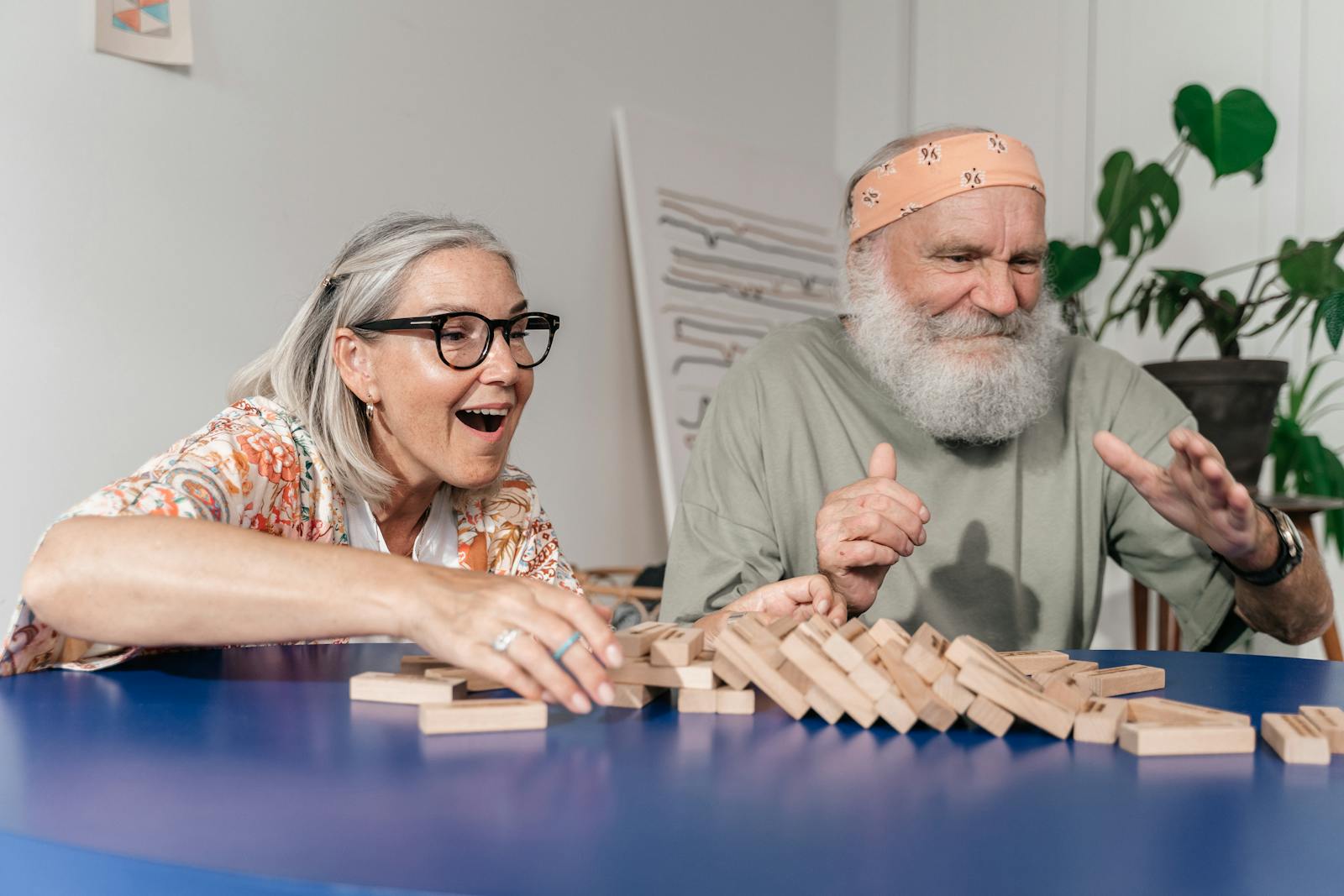
An elderly couple laughs and bonds while playing Jenga indoors — the everyday joy of senior companion care.

Belpre Senior Centers and Social Programs

Senior centers in Belpre provide free or low-cost programs — activities, meals, transportation — that complement in-home companion care.

Tina Roberts

  • Companion Care
  • Senior Wellness
Senior women dance in a group fitness class — the kind of activity a companion caregiver supports.

Belpre Adult Day Programs for Seniors

Adult day programs in Belpre offer structured daytime engagement — meals, activities, peer interaction — for $80–$200 per day.

Tina Roberts

  • Companion Care
  • Senior Wellness
A senior couple plays a board game together — companion-led activities that combat isolation.

Activities for Belpre Seniors: 20 Local Ideas

Twenty activities for Belpre seniors — local options, accessibility-friendly ideas, and the indoor staples that work in any weather.

Tina Roberts

  • Companion Care
  • Senior Wellness
An elderly couple laughs and bonds while playing Jenga indoors — the everyday joy of senior companion care.

Senior Companion Care in Belpre, OH

Companion visits, transportation, and social engagement keep Belpre-area seniors thriving — far cheaper than facility care or 24-hour staffing.

Tina Roberts

  • Companion Care
  • Senior Wellness
A senior couple plays a board game together — companion-led activities that combat isolation.

What Is Senior Companion Care? A Family Guide

Senior companion care brings a trained friend into your parent's life a few hours a week — for conversation, activities, transportation, and the social engagement that keeps aging brains and bodies alive.

Tina Roberts

  • Companion Care
  • Senior Wellness
Senior adults craft together in a community space — companion-coordinated social engagement.

Senior Companion Care Cost in Belpre in 2026

Real Belpre-area 2026 numbers — hourly, monthly — plus the funding paths Ohio families combine to make companion care affordable.

Tina Roberts

  • Companion Care
  • Paying for Care
A senior participates in creative activity with crayons — companion-led hobby support.

How to Find a Senior Companion in Belpre

A 5-step process for finding the right senior companion in Belpre — agency interviews, vetting, matching, and 2-week trial.

Tina Roberts

  • Choosing a Provider
  • Companion Care
Mature adults practice yoga together — companion-supported wellness activities.

Hourly Companion Visits in Belpre

Hourly companion visits in Belpre let families build custom schedules — weekly visits, daily mornings, evenings only — at $25–$40 per hour.

Tina Roberts

  • Companion Care
  • Paying for Care
Senior adults craft together in a community space — companion-coordinated social engagement.

Combating Senior Isolation in Belpre

Senior isolation in Belpre is a documented medical risk — consistent companion visits, community programs, and family rotation reverse it.

Tina Roberts

  • Family Caregivers
  • Senior Wellness
A senior participates in creative activity with crayons — companion-led hobby support.

Senior Transportation in Belpre, OH

Senior transportation in Belpre bridges aging-in-place to aging into isolation — seven options from family rides to specialized medical transport.

Tina Roberts

  • Aging in Place
  • Companion Care
Senior adults craft together in a community space — companion-coordinated social engagement.

Combating Senior Isolation: How Companion Visits Help

Senior isolation is a documented medical risk equivalent to smoking 15 cigarettes a day — and consistent companion visits are one of the most effective interventions families can deploy.

Tina Roberts

  • Family Caregivers
  • Senior Wellness
Senior women dance in a group fitness class — the kind of activity a companion caregiver supports.

Senior Transportation Services: What to Know in 2026

Senior transportation isn't just rides — it's the difference between aging in place and aging into isolation. Here are the seven options and how to choose between them.

Tina Roberts

  • Aging in Place
  • Companion Care
Mature adults practice yoga together — companion-supported wellness activities.

Hourly Companion Services: Cost, Schedule, and What to Expect

Hourly companion services let you build a custom schedule — a few hours weekly, daily mornings, evenings only. Here's the real math and how to design the right schedule.

Tina Roberts

  • Companion Care
  • Paying for Care
25 Activities for Seniors at Home (2026) | SeniorCompanionCareNearMe.com