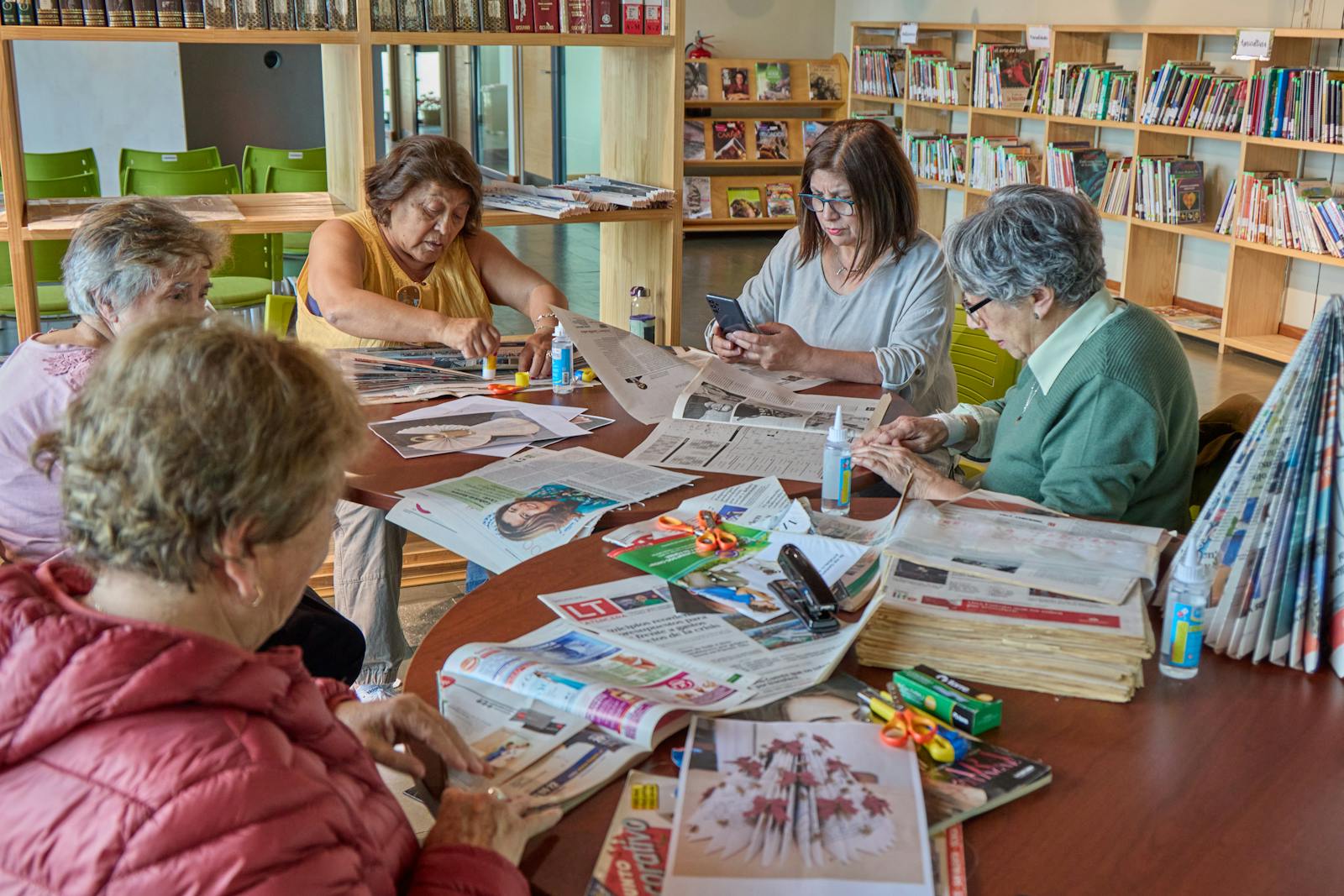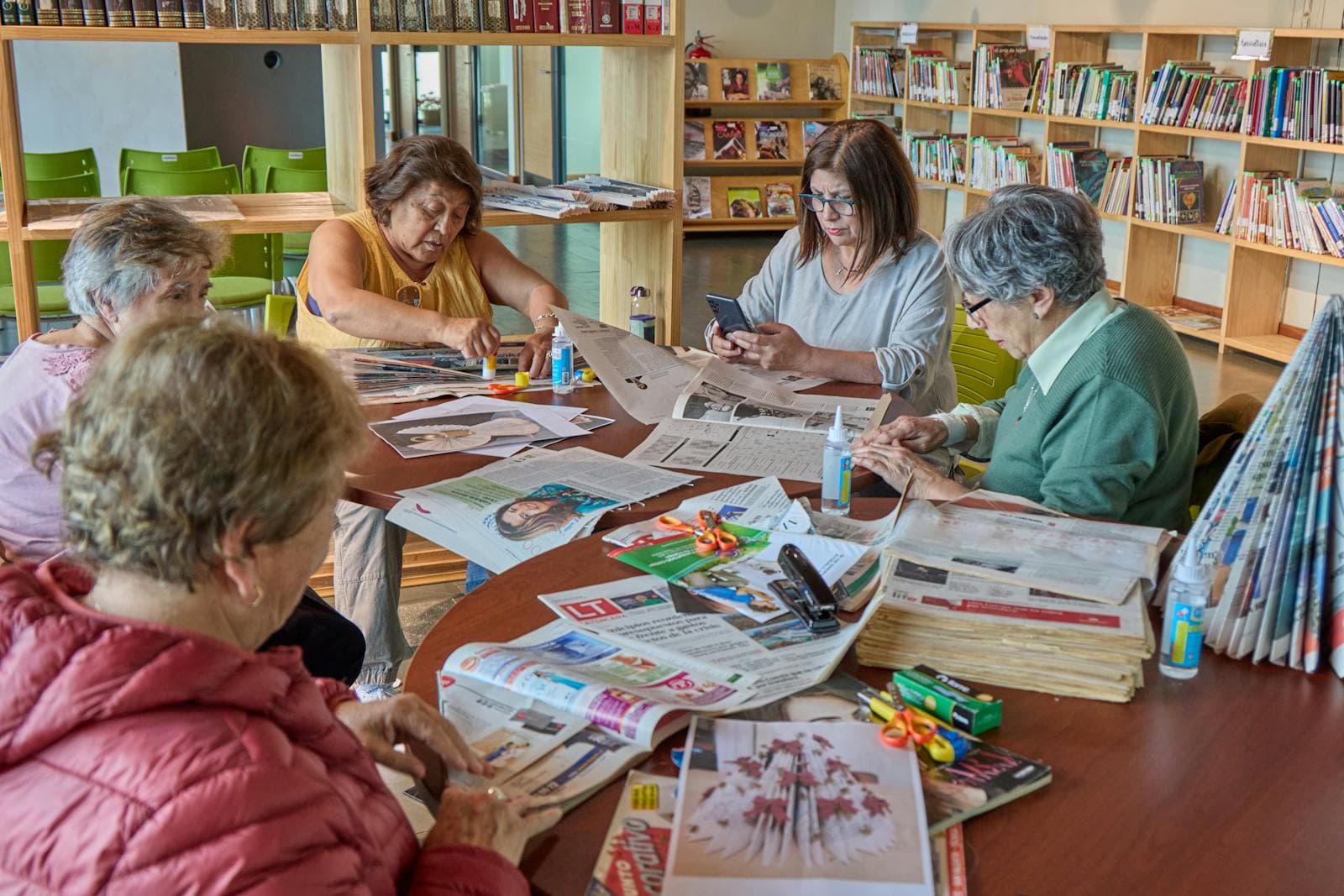
Senior isolation in Belpre is the chronic absence of meaningful human contact in older adults — associated with significantly higher rates of dementia, depression, heart disease, and premature mortality. Consistent companion visits, community programs, and family rotation are some of the most effective interventions Belpre families can deploy. Effect sizes match smoking 15 cigarettes a day in mortality risk.
How serious is senior isolation
According to the CDC, social isolation in Belpre and beyond drives:
- 50% increased risk of dementia
- 32% increased risk of stroke
- 29% increased risk of heart disease
- Higher rates of depression and anxiety
- Premature mortality comparable to smoking 15 cigarettes daily
Signs of isolation in Belpre seniors
- Spending most of the day alone, mostly watching TV
- Stopping regular phone calls they used to make
- Declining invitations they would have accepted
- Withdrawing from clubs, religious services, social activities
- Increased tearfulness, flat affect, apathy
- Eating less; less interest in food
- Less interest in personal appearance and hygiene
- Sleep cycle disruption
- Increased phone scam susceptibility
- Unexplained weight loss
Why companion care works in Belpre
- Same companion every visit — relationship builds over weeks
- Scheduled predictable visits — anticipation structures the week
- One-on-one attention — fully present human contact
- Shared activities — collaboration on something
- Wellness monitoring — companion catches small changes
Layering interventions in Belpre
- Regular family video calls — predictable, not random
- the Buckeye Hills Regional Council’s senior centers — most Belpre-area centers have free programs
- Religious or spiritual community engagement
- Adult day programs — structured social engagement 1–5 days/week
- Pet companionship when feasible
- Volunteer-driven friendly visitor programs (often free)
- Online interest communities (genealogy, book clubs, hobby groups)
Talking to a Belpre parent about isolation
Most seniors resist ‘lonely’ framing. Reframe around positives:
- ‘I want you to have someone to share Tuesday lunch with.’
- ‘A friend has someone come over weekly — they look forward to it.’
- ‘I’d worry less if someone could check in on Tuesdays.’
Avoid: ‘You’re lonely’ or ‘You need a companion.’ Frame as your need, not their deficit.
If you’re recognizing isolation in a Belpre-area parent, a 15-minute call with a care coordinator can map the right intervention mix. Talk to a SeniorCompanionCareNearMe advisor when you’re ready.